
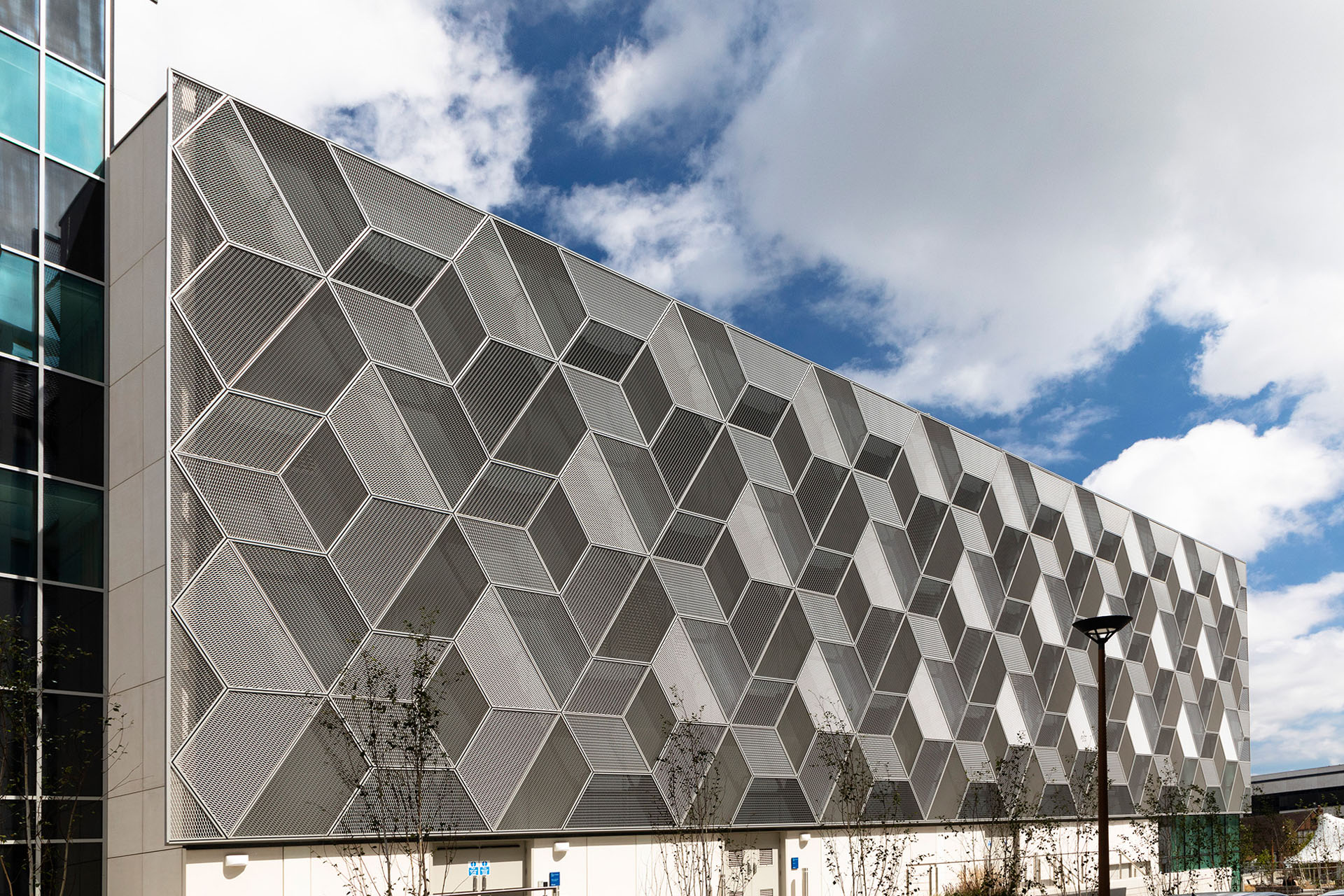
Rainscreen cladding performance is proven in the execution of every detail, at scale.
Rainscreen façade design has become increasingly complex, bringing with it a new level of accountability.
As regulations tighten and scrutiny intensifies, responsibility for performance is being more clearly defined across the entire supply chain. From designers and manufacturers to installers and developers, every stakeholder now plays a more visible and accountable role in the performance of rainscreen facades on buildings of all sizes.
In this environment, façade performance can no longer be assumed through specification alone. It must be evidenced through testing and demonstrated in consistent delivery. Ultimately, performance is proven not just in principle, but in the execution of every detail, at scale.
How to ensure compliance and performance when specifying rainscreen cladding
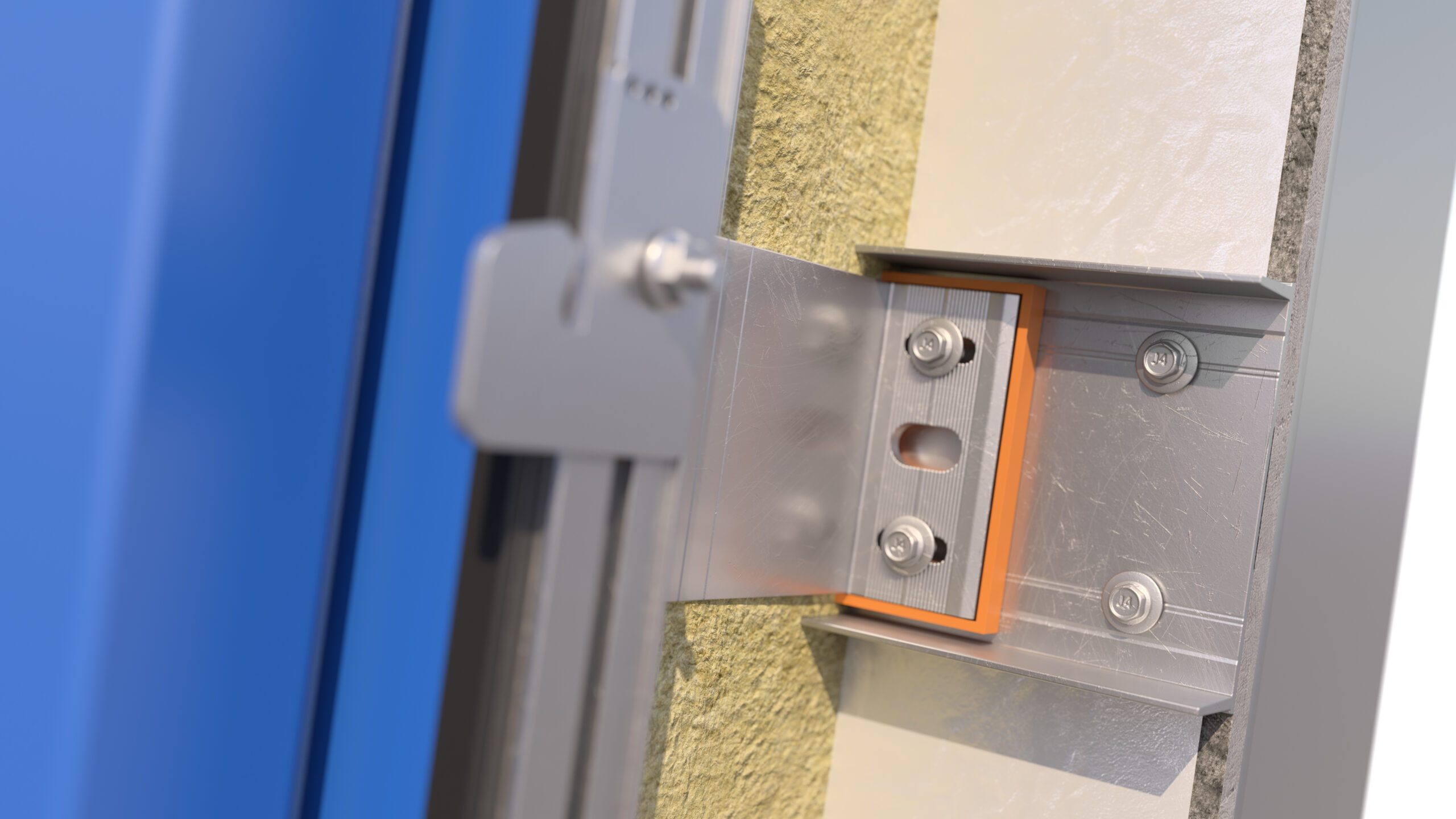
As such, facade cladding should be considered as a complete system rather than a collection of individual products. Panels, brackets, rails, insulation, cavity barriers and fixings all work together, and the performance of the facade is defined by how those elements are designed, tested and installed as a whole. It is the very definition of ‘Details at Scale’. Focusing on individual components in isolation no longer reflects how facade performance is assessed, or how risk is managed in practice.

The accountability is increasingly shaped by regulation, but also by expectation. The industry is being asked not just to meet standards, but to evidence performance under real-world conditions.
For Lee Gravett, Technical Facade Manager at Sotech, this change is fundamental to how the industry now operates.
“Facade design hasn’t just become more technical – accountability has become a key, central thread. Clients, contractors and regulators all expect greater clarity, more evidence, and proven performance. That’s where system thinking becomes critical.”
This is where a system-level approach to rainscreen cladding becomes essential – ensuring that all components, from fire barriers, insulation to cladding panels and fixings, work together seamlessly. Only through coordinated design, engineering analysis, testing and specification can the performance of facade cladding be reliably demonstrated across individual buildings or multiple sites.
What is Sotech’s unique approach to rainscreen cladding design and manufacturing?
At Sotech, rainscreen cladding systems are developed as complete facade build-ups, with every component considered as part of a coordinated system. This includes, where appropriate, finite element modelling (FEM) to assess structural behaviours and loading performance, large-scale facade fire testing to BS 8414, classification in accordance with BR135, reaction to fire classification to BS EN 13501 testing, and environmental performance validation through CWCT Sequence B.
Taken together, such testing provides practical measures of how a façade behaves under pressure – how it responds to fire, weather, movement, and time – and provides confidence from real evidence.
What to consider when specifying rainscreen cladding for complex schemes
Proving performance is only one part of the challenge. Delivering it consistently, across large and complex schemes, is another. As buildings increase in scale, so too does the demand on detail, and those details must be manufactured and installed consistently across multiple buildings, varying site conditions and throughout the service life of the building. This is where details at scale becomes critical.

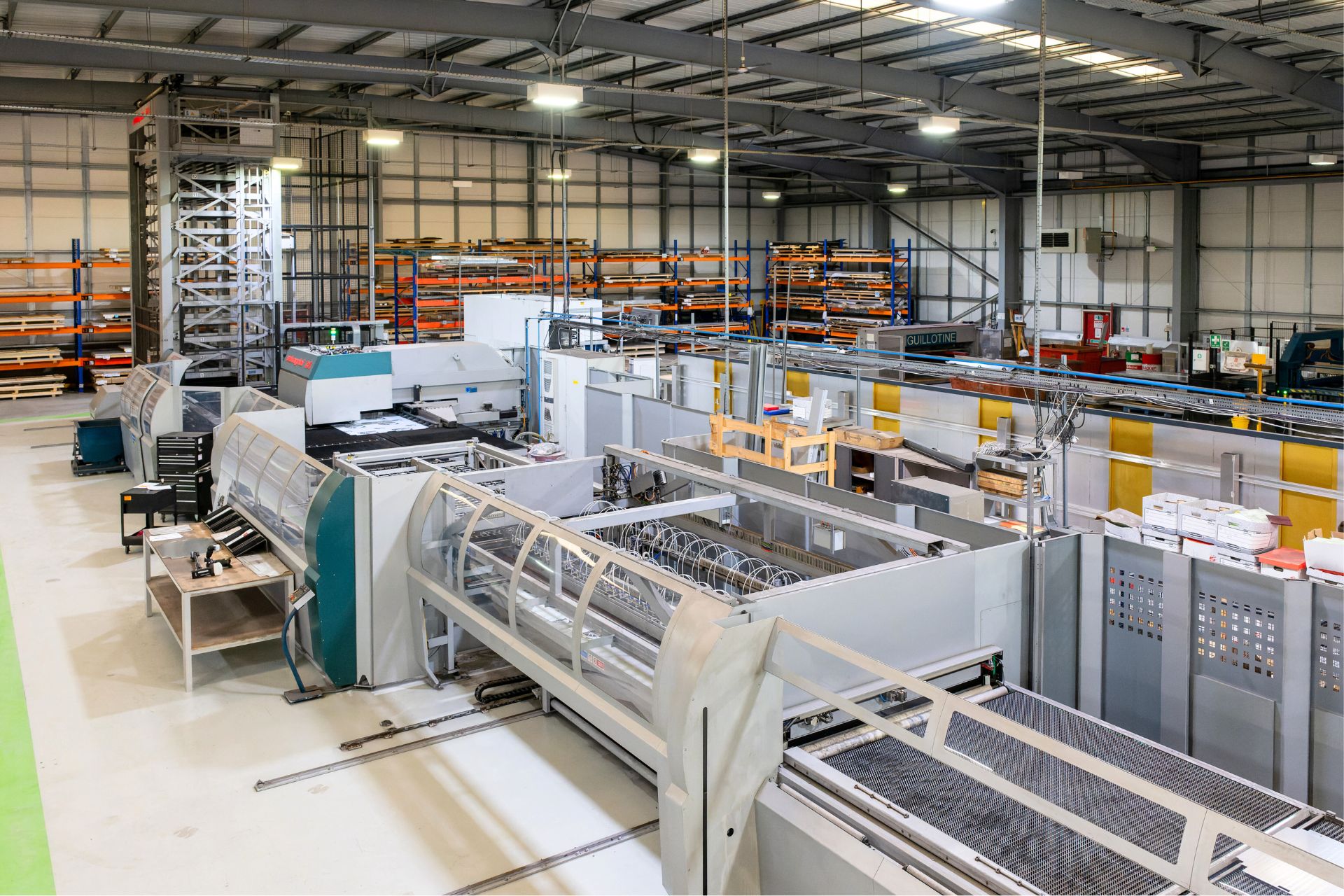
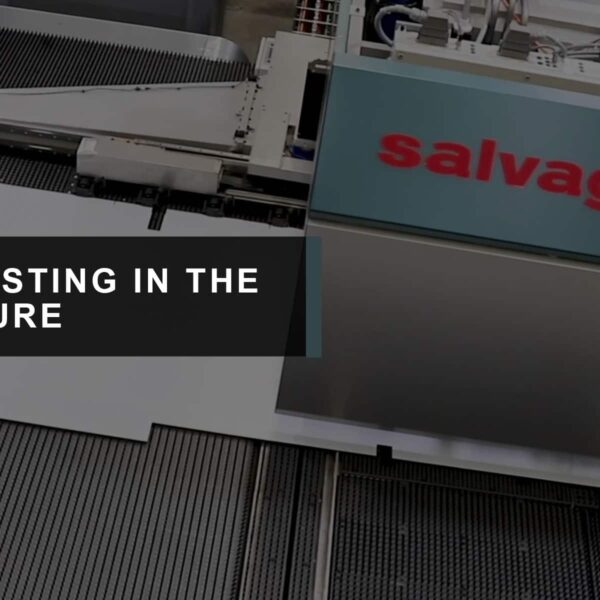
Through advanced fabrication technologies, including full line automation. Sotech achieves high tolerances and repeatable quality across every component. What is engineered, tested and specified is carried into manufacture through controlled production processes, in process quality checks and final inspection procedures operating within and ISO 9001- certified quality management systems.
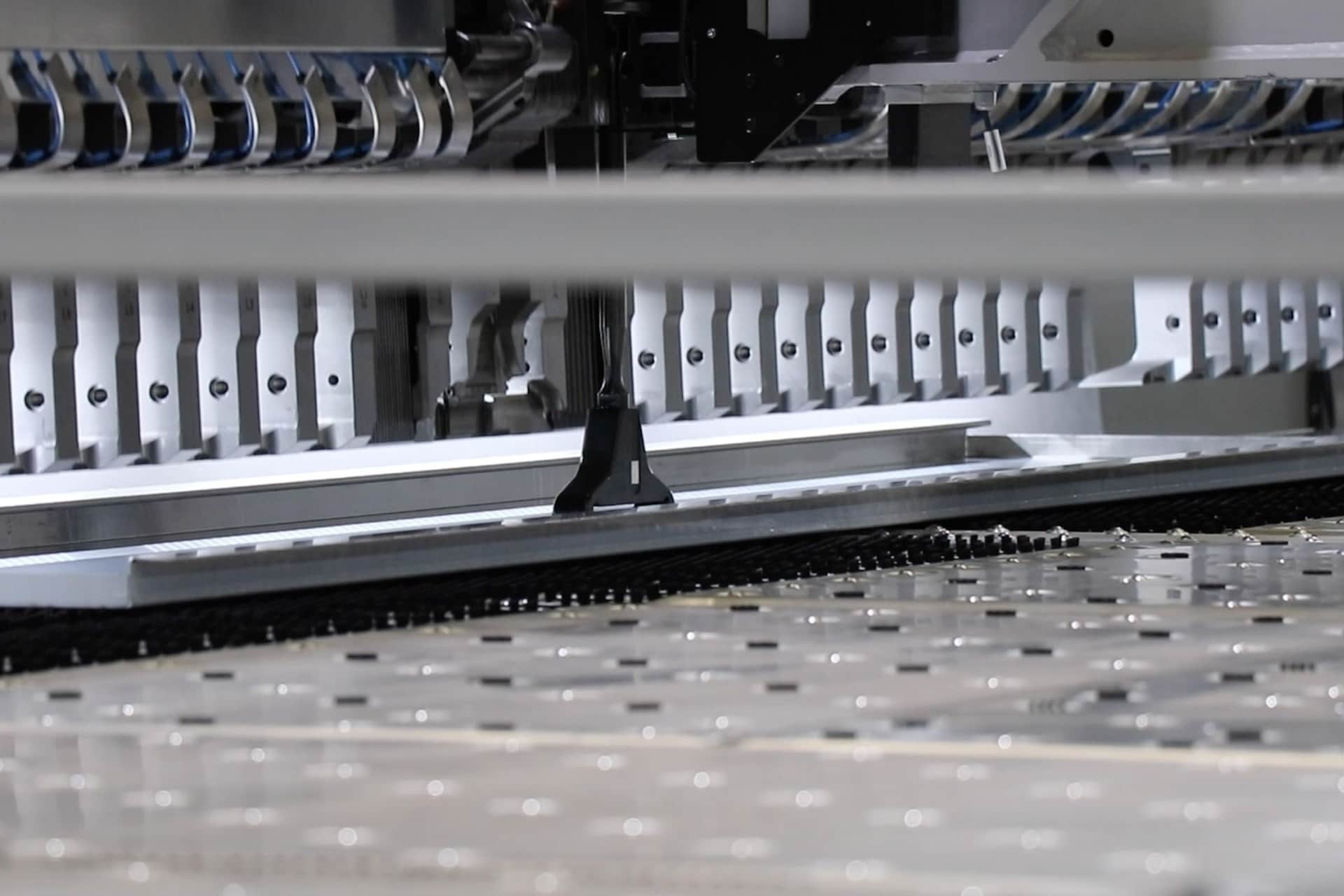
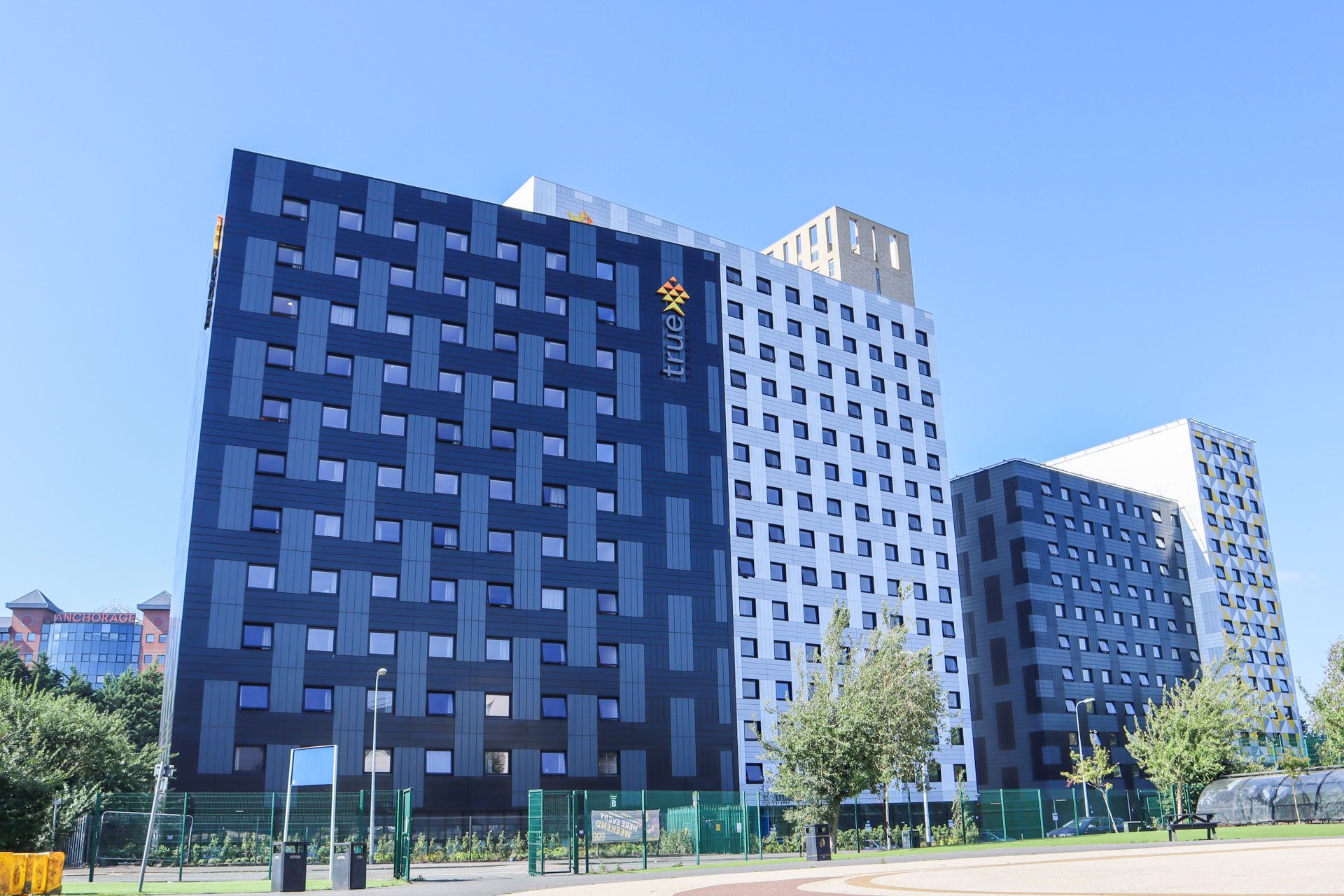
This helps to ensure that the Optima rainscreen cladding performs as intended through the full lifecycle of the project, from early design through to installation and handover.
Effective collaboration between architects, contractors, installers and facade manufactures is essential at all stages, as small decisions made at the specification stage can have significant implications for compliance, performance, and buildability later in the process.
Harry Tamplin, Architectural Facade Manager at Sotech, sees this regularly in practice.
“The best outcomes come when we’re brought in at the earliest stages of a project, particularly on high-rise developments, complex geometries, or schemes with heightened compliance demands. Early involvement allows us to work with the project team to resolve technical challenges, reduce risk, and make sure every part of the system can be delivered reliably on site.”
Jake Winwood, Specification Manager, adds:
“Specification isn’t just about selecting a panel. It’s about understanding how the full system performs – from fixings and cavity barriers through to testing and installation. Getting that right early reduces risk for everyone involved.”
This combination of system thinking, technical validation, manufacturing precision, and project support reflects a broader shift in how façade performance is understood across the rainscreen cladding industry.
Performance is no longer defined by individual products, or even by isolated stages of design and delivery. It is defined by how well every interface connects – and how consistently that performance is maintained from specification through to installation, to handover.
For Claire Ryan, Head of Sales & Marketing at Sotech, this is exactly what sits behind the company’s positioning and how we operate in practice.
“Details at Scale isn’t a campaign message – it’s a positioning statement and a way of describing how we work. It connects the scale of the buildings we deliver with the level of precision required in every detail. It’s about showing the level we operate at, not changing what we do.”
In that sense, “Details at Scale” is not a new direction. It is a clearer articulation of an approach that has always underpinned Sotech’s approach to façade solutions.
Because ultimately, the performance of a building is not defined by its scale alone. It is defined by the Details, at Scale.
 No products in the basket.